Children and Pets Interactions: Simple Tips for a Positive Experience
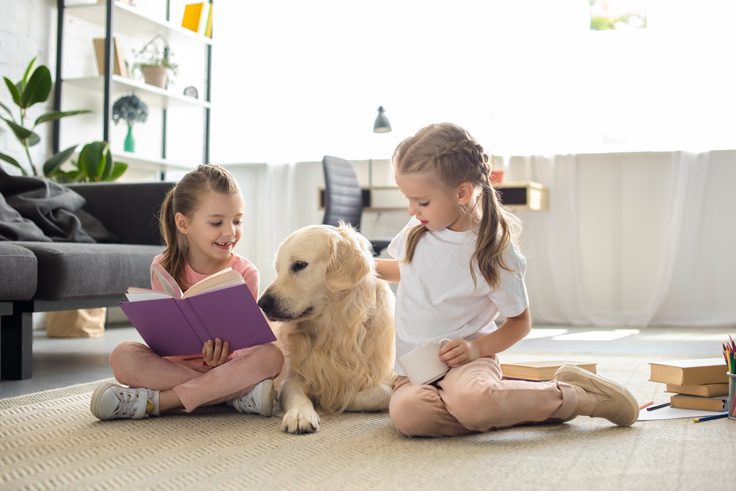
When a new member joins the family, whether two-legged or four-legged, many (pet) parents naturally feel curious or slightly unsure about how the bond between the child and the animal will develop. The good news is that children and pets often form very strong, positive relationships that can support a child’s emotional and social development. Growing up with a pet can help children learn responsibility, build confidence, and express emotions in healthy ways.
With a little guidance and understanding, these relationships can be safe, rewarding, and help reduce risks such as dog bites for everyone involved. Learning how to prepare for and recognise stressful situations can go a long way toward avoiding unwanted incidents and fostering a safe, positive human-animal bond.
Understanding Body Language Is Key
Animal attacks are often the result of situations in which the animal feels uncomfortable, stressed, or threatened. For example, a child may unknowingly disturb a pet while eating or invade its personal space, causing the animal stress and anxiety.
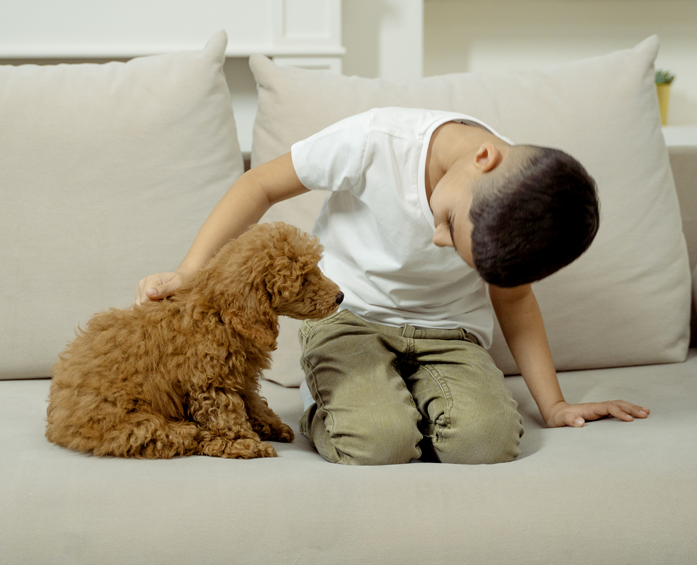
One of the most important safety measures parents can take is to never leave young children interacting with pets unattended. As children grow older, it is equally important to teach them that animals experience emotions too. Pets can feel happiness and excitement, but they can also experience fear, stress, and discomfort. Teaching children to recognise and respect these emotions helps create safer and more positive interactions.
There are several common signs of anxiety in animals that children can also learn to recognise:
- the tail between the legs
- excessive panting
- lip licking
- yawning
- “whale eye,”, white part of the eye becomes visible
These signals often indicate that the animal is feeling uneasy and needs space.
Setting Boundaries: Safe Spaces for Everyone
Human-animal interactions can bring a wide range of emotions, from joy and excitement to stress, fear, or occasional sense of being overwhelmed. It is important to remember that animals communicate differently from humans, and their behaviour can sometimes be misunderstood.
For example, an overly excited dog may jump up or accidentally knock someone over while trying to lick them as a greeting. From the dog’s perspective, this is friendly and enthusiastic behaviour, but because animals are not always aware of their size or strength, unintentional injuries can occur. Similarly, puppies often use gentle biting during play with their littermates, which may not be suitable in interactions with small children.
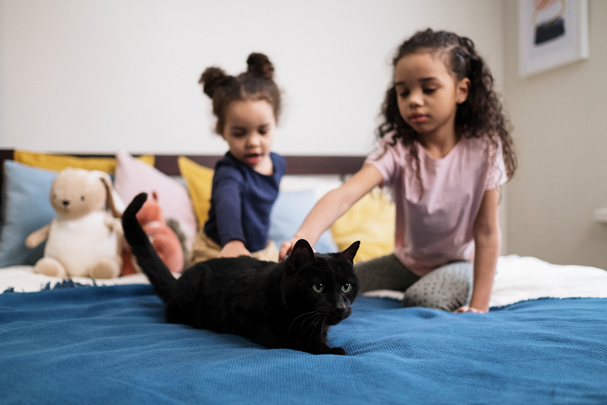
Another example is a shy or fearful cat that prefers limited interaction. Loud noises, sudden movements, or unwanted physical contact from children can cause stress, sometimes leading to defensive behaviours such as scratching or biting.
At the same time, children may not always recognise animal boundaries and may treat pets like toys. Rough play, chasing, or overly energetic interactions can overwhelm animals and increase the likelihood of negative experiences.
For this reason, introductions between children and pets should be gradual. Interactions should never be forced, even when well-intentioned. Respecting boundaries on both sides helps build trust and a positive relationship between children and animals. Early interactions are best kept short and calm, lasting around 10 to 15 minutes. If either the child or the animal shows signs of stress or discomfort, both should be given access to a quiet “safe space” where they can relax. These simple boundaries help prevent negative experiences and allow trust to develop naturally over time.
For many families, the early stages of introducing a child and a pet can feel delicate. However, with a few simple strategies such as supervision, preparation, and guidance, most risks can be significantly minimised. With patience and consistency, these relationships can grow into safe, positive, and deeply rewarding bonds.
Other resources