Heatstroke in Pets: How to Recognise It and What to Do
As summers become warmer across Europe, heat-related illnesses are becoming a growing concern for pet owners. While we often associate heatstroke with very hot countries, it can happen anywhere, even on days that don’t seem particularly extreme. The good news? Knowing the warning signs and acting quickly can make a huge difference.
What Is Heatstroke?
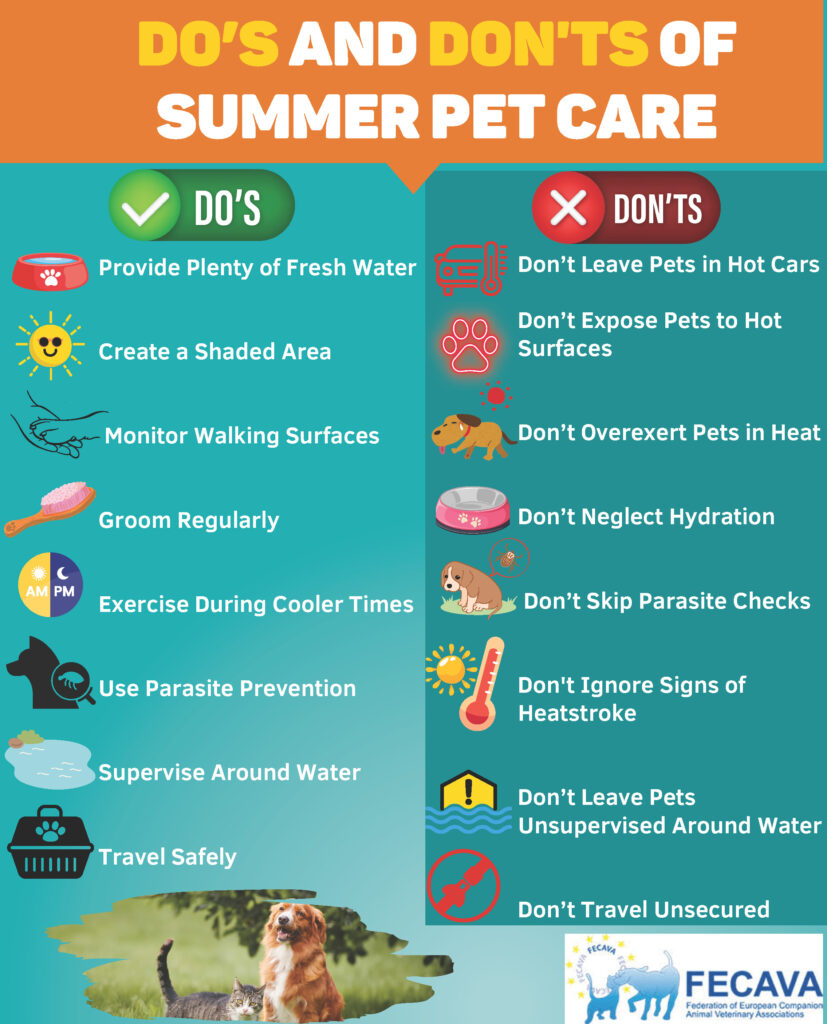
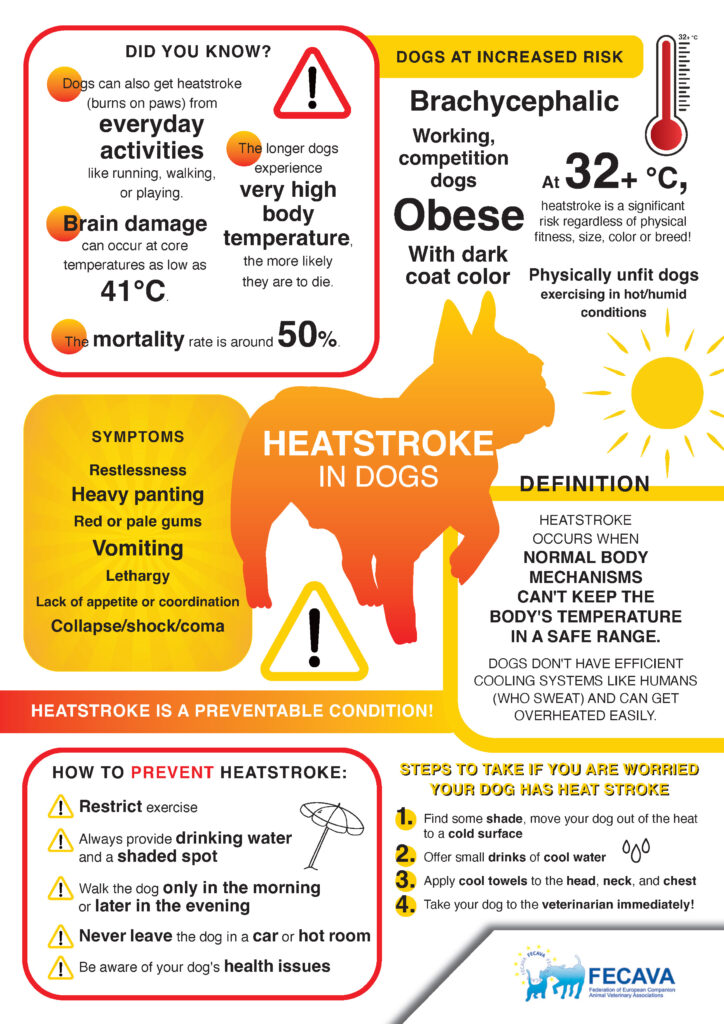
Heatstroke occurs when a pet’s body temperature rises above what it can safely regulate, typically exceeding 40-41°C.
Many people assume this only happens during heatwaves, but temperature is only part of the story. Humidity, poor ventilation, and physical activity can all contribute to overheating.
In fact, a study led by researchers at Nottingham Trent University and the Royal Veterinary College found that 74% of heatstroke cases in dogs were triggered by exercise, compared to 13% caused directly by hot weather and only 5% associated with being left in a hot vehicle. This highlights that even on days that don’t feel exceptionally hot, energetic walks, runs, or play sessions can put pets at risk if they become unable to regulate their body temperature effectively.
👉 This is why pet owners should pay attention not only to the weather forecast, but also to their pet’s activity levels and the conditions around them.
Spotting the Early Warning Signs
Heat-related illness develops in stages. Recognising the early signs can help prevent a serious emergency.
Mild Heat Stress
At this stage, your pet may show:
- Excessive panting
- More difficult breathing
- Tiredness or reduced energy
- Changes in behaviour
- Less interest in playing or exercising
Moderate Heat Exhaustion
As the condition progresses, symptoms may include:
- Excessive drooling
- Vomiting
- Diarrhoea
- Collapse
- A seizure
Severe Heatstroke
This is a life-threatening emergency requiring immediate veterinary attention.
Symptoms can include:
- Repeated seizures
- Loss of consciousness
- Disorientation or confusion
- Loss of coordination
- Bloody vomiting or diarrhoea
⚠️ Heatstroke can also cause serious complications affecting the brain, blood vessels, kidneys, and other vital organs.
Which Pets Are Most at Risk?
Some animals are more vulnerable to heat-related illness than others.
Higher-risk pets include:
- Flat-faced (brachycephalic) breeds, such as Bulldogs, Pugs, and Persian cats
- Senior pets
- Overweight pets
- Animals with heart conditions
- Pets with respiratory problems
These pets may struggle more to regulate their body temperature, particularly during physical activity or periods of warm weather.
What Should You Do?
One of the most important messages from veterinary professionals is: 👉 Cool First, Transport Second
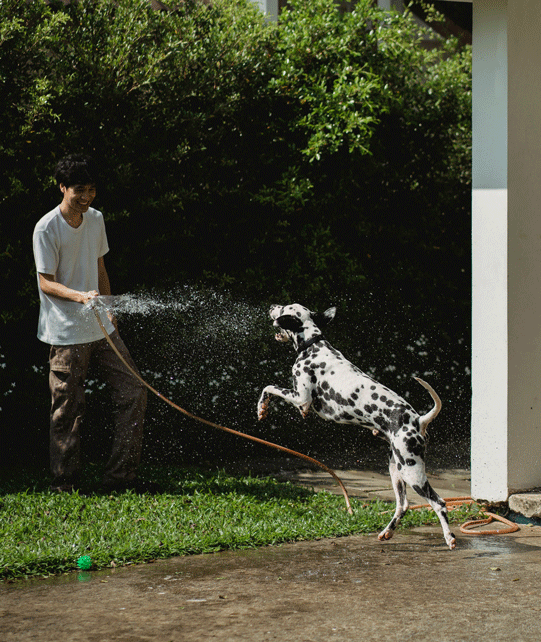
If you suspect your pet is suffering from heatstroke, begin cooling immediately while arranging veterinary care.
The most effective method is evaporative cooling, which combines cool water with airflow.
✅ Wet the animal with cool (not ice-cold) water
✅ Use a fan or create airflow around them
✅ Move them into a shaded or well-ventilated area
Avoid wrapping pets in wet towels, as doing so can sometimes trap heat rather than remove it.
Continue cooling until the pet’s temperature reaches approximately 39.5°C, then stop active cooling and monitor closely. Body temperature can continue to decrease after cooling begins, so regular checks are important to avoid hypothermia.
When to Contact a Vet
Always seek veterinary care if your pet shows signs of moderate or severe heat-related illness.
Even if your pet appears to recover, heatstroke can cause internal damage that is not immediately visible. Veterinary treatment may include:
- Intravenous fluids
- Blood tests
- Monitoring of kidney function and organ health
- Ongoing observation
Heatstroke is a serious medical emergency, and early intervention gives pets the best chance of recovery.
Prevention Is Better Than Treatment
Because exercise is one of the leading triggers for heat-related illness, it’s important to adapt activities to the weather and to your pet’s individual needs.
Most cases of heatstroke can be prevented with a few simple precautions:
🐾 Walk dogs during cooler parts of the day
🐾 Avoid vigorous exercise during warm or humid weather
🐾 Always provide access to fresh drinking water
🐾 Take regular breaks during physical activity
🐾 Ensure good ventilation indoors and during travel
🐾 Never leave pets in parked vehicles
🐾 Pay extra attention to higher-risk animals
Remember: 👉 if you’re feeling hot and uncomfortable during exercise, your pet may be struggling even more.
A little preparation and awareness can go a long way in helping pets stay safe during warmer weather. By recognising the signs early and acting quickly, pet owners can help ensure that summer adventures stay enjoyable for everyone.