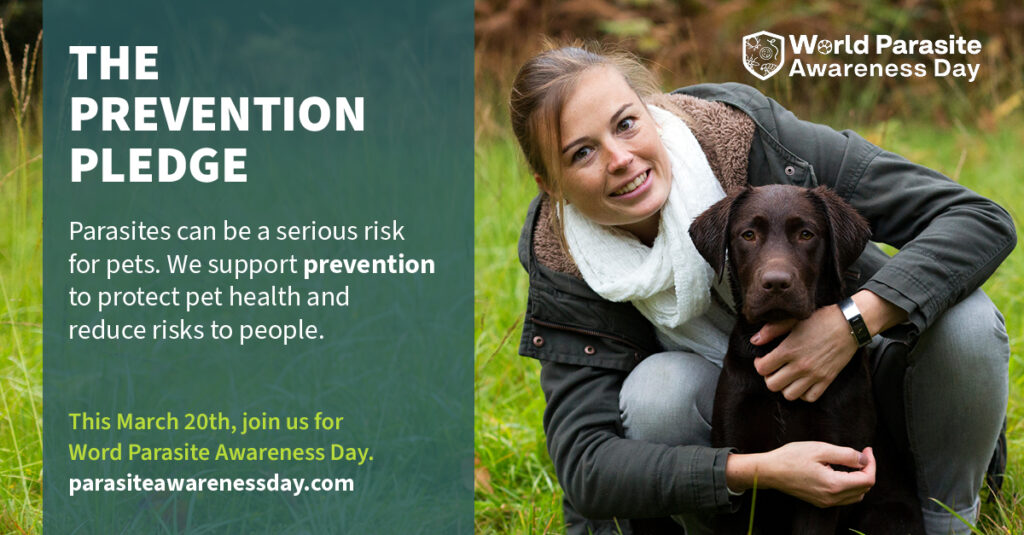
Why Parasite Prevention is Important for Pets
Pets around the world face a persistent, but often invisible, risk: parasites.
Fleas, ticks, worms, and other parasites can cause discomfort, serious illness, and in some cases life-threatening disease. Some parasites and the infections they carry can also spread to people, putting households at risk.
But, with the right veterinary advice and preventive care, you can keep your pets safe and your home parasite-free. Here are some tips on how to protect your pet.
Key Tips
📌 Keep your home clean: Regularly vacuum your home and wash any pet bedding in hot water to help prevent flea infestations.
📌 Practice pet and personal hygiene: Always pick up after your pet when they relieve themselves, and wash your hands after handling toilet bags or cleaning litter boxes.
📌 Check your pet after walks: After outdoor adventures, do a quick “tick check” on your pet, especially around the ears, paws, and belly.
📌 Schedule regular vet check-ups: Set a reminder to check your pet’s flea, tick, and worm prevention schedule to ensure they’re always protected, and schedule a regular check-up with your vet to ensure their personal parasite prevention plan is up-to-date.

The changing risks of parasites
Evidence from around the world underscores the high risk of parasites. In the United States, over a million dogs test positive for heartworm each year, while sampling done across veterinary clinics and dog parks consistently find parasitic infections. In Europe, heartworm has expanded across multiple countries and become endemic in new areas, while in parts of Latin America, Africa, and Asia, free-roaming animal populations and a changing climate can contribute to a very high parasite prevalence.
As parasite prevention is a cornerstone of pet care, it is important to note that with rising temperatures allowing parasites to thrive in new areas, pet owners may need to adjust their prevention routines to adapt to new risks.

Tailoring prevention plans
The value of parasite prevention is well documented. Nobody wants parasite infections and infestations that can lead to pain and suffering in their pets, and in some cases death. Preventing infections before they occur can help reduce these harms and limits the potential for parasites to spread more widely within households and communities.
Because no two animals are the same, effective parasite prevention should never follow a one-size-fits-all approach.
Optimal prevention strategies should be developed in consultation with a veterinarian, taking into account a pet’s individual needs, local risks, and living conditions. Veterinary guidance helps ensure that prevention approaches remain appropriate, effective, and responsive over time.
How Parasites Affect People
Preventing parasite infections is an essential way to protect pet health and help reduce risks to people, so parasite prevention isn’t just about keeping your pet comfortable—it’s about protecting public health, and the environment.
By staying informed and using effective prevention strategies, you can keep your pets, your family, and your home safe from unwanted pests. Parasite prevention also strengthens the bond between pets and their owners by helping animals live healthier, safer lives.
Raising Awareness
To help pet owners stay informed, initiatives like World Parasite Awareness Day are working to:
- Support Research: Continued studies on new treatments and vaccines will improve parasite control in the future.
- Educate the Public: By sharing information on parasite risks and prevention, more pets and people can stay safe.
- Encourage Sustainable Practices: Responsible use of parasite control products can help minimise environmental impacts.