Pets and Our Mental Health

It’s no secret that pets can bring a smile to our faces after a long day. In Europe, mental health challenges are widespread – even before the pandemic, about 84 million Europeans (roughly one in six people) were living with a mental health disorder. Amid these struggles, our animal companions often make a positive difference. Nearly half of all EU households (around 90 million homes) include a pet, and countless families benefit from the love and companionship of their furry (or feathered) friends. Pet owners often share how a wagging tail or a gentle purr lifts their mood and eases stress.
Let’s explore how our pets support our mental well-being in everyday life.
Comfort and Emotional Support
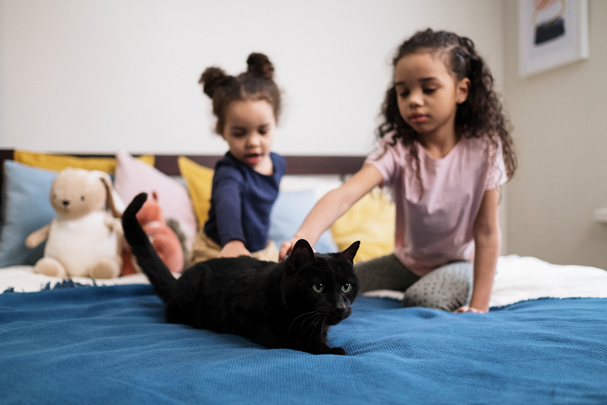
One of the most immediate benefits pets offer is emotional support. Pets are non-judgmental listeners and provide unconditional love. Whether you’ve had a terrible day at work or you’re feeling down, having a pet curl up beside you can be incredibly comforting. Many pet owners say their animals seem to sense when they’re upset and will stay close or nudge them, offering silent support. In fact, research during the COVID-19 lockdowns confirmed what many of us know from experience: more than 90% of pet owners in a UK study said their pet helped them cope emotionally with the lockdown. Across Europe, surveys have found that about 74% of pet owners believe their pet has improved their mental health, and 86% say their animal companion provided crucial emotional support during tough times. From easing feelings of loneliness to helping us manage sadness or anxiety, pets often act like little four-legged therapists. Their constant companionship and affectionate presence can make us feel needed, loved, and far less alone on our hardest days.
Routine and a Sense of Purpose
Caring for a pet also adds structure and purpose to daily life. Pets don’t know (or care) if it’s the weekend or a holiday – a dog will still nudge you for their morning walk, and the cat will meow for breakfast at the usual time. This routine can be immensely helpful for our mental health. Having set tasks – feeding, walking, cleaning, playtime – gives us a reason to get out of bed and stick to a schedule, even when we’re feeling low. This daily rhythm and responsibility can ground us and provide a sense of achievement. Feeding and looking after a pet can help you keep a steady routine, making you feel more focused and giving your day meaning. In other words, pets rely on us, which in turn motivates us to stay active and responsible. For someone struggling with depression or recovering from illness, the simple act of caring for a pet – knowing that a little creature depends on you – can restore a sense of purpose and self-worth. Many owners find that the routine of pet care structure helps them through times when they might otherwise feel aimless or isolated.


Physical Activity: Pets Get Us Moving
Pets, especially dogs, are great at getting us off the couch and moving. Physical activity is a known mood-booster, and our pets ensure we get a fair dose of it. If you have a dog, you’ve probably experienced the “guilt trip” eyes when walk time approaches. Rain or shine, our canine friends need their walks – and that means we get exercise too. Dog owners are likely to take their pets out for a walk or run every day, which can turn exercise into a fun daily habit rather than a chore. Even playing fetch in the park or chasing your dog around the garden adds to your step count. One UK survey of 6,000 people during lockdown found that 96% of pet owners felt their pets kept them fit and active (not surprisingly, when you’re tossing toys or strolling around the block regularly). Studies back this up: for example, older adults with dogs get about 22 more minutes of walking per day on average than those without dogs. Those extra minutes of movement and fresh air can significantly improve mood, fitness, and even sleep. And it’s not just dogs – even playing with a cat using a feather toy or cleaning out the rabbit’s hutch involves light activity that gets you off your chair. By keeping us physically active, pets help reduce risks of depression and anxiety while improving overall health. After all, it’s hard to stay glued to the sofa when you have a lively pet eager to play or explore outside!
Social Connection and Community
Pets can be surprising social connectors. Taking your dog out for a walk often leads to friendly chats with other dog walkers or neighbours. A simple “What a cute dog! What’s his name?” can spark a conversation that might brighten your day. This kind of social interaction can be especially valuable if you’re feeling isolated. Research in Europe suggests that pet ownership is linked to reduced social isolation, a benefit that became even more pronounced during the COVID-19 pandemic. Basically, pets can help break the ice and bring people together. Imagine visiting a dog park – strangers will talk about each other’s dogs, share tips, or just laugh at the pups’ antics. Even beyond dogs, mentioning your pets can help you connect with others (who doesn’t love sharing funny pet stories?). One study found that having a dog encouraged friendly interactions – even among strangers, people were more approachable and helpful if a dog was present. Pets also give us a sense of belonging to a community, whether it’s chatting with the local vet or participating in online groups for pet lovers. This boost in social connection can combat loneliness and build confidence in social situations. For people who find it hard to meet new folks, a pet can be the bridge: suddenly you have common ground with fellow pet parents. In a very real way, our animals help us build human friendships!
Stress Relief and Relaxation
Simply spending time with pets can melt away stress and anxiety. Stroking a cat purring on your lap, watching fish swim calmly in an aquarium, or playing tug-of-war with your dog – these moments have a soothing, almost meditative effect. There’s science behind it: interacting with animals can trigger physiological changes that reduce stress. Studies have shown that just five minutes of petting a friendly animal can lower stress levels significantly. Playing or cuddling with pets can decrease the stress hormone cortisol and even lower blood pressure, while boosting oxytocin (often nicknamed the “cuddle hormone”) – leading to a calmer, happier state. Many hospitals and care homes in Europe have introduced therapy animal programs after seeing how effective animals are at easing human anxiety. And it’s not just formal therapy; in everyday life our pets often sense our stress and respond with comfort. How many times have you been upset or crying, only for your dog to come rest their head on your knee, or your cat to curl up beside you? That simple act can be incredibly calming. One person described it perfectly during a pet therapy session: “Dogs have a magic effect on you, you can feel their love and that just makes you feel better inside”. Truly, the presence of a loving pet can turn a tense, stressful atmosphere into a more relaxed and positive one. By helping us unwind – whether through play or peaceful companionship – pets act as natural stress-busters.

From offering emotional comfort and structure to keeping us active, social, and stress-free, our pets play a remarkable role in supporting our mental health. They may just think they’re begging for treats or demanding belly rubs, but in reality they’re improving our lives in countless little ways every day. In Europe and around the world, people are increasingly recognizing the value of this human-animal bond – often lovingly dubbed “PetPower” – in promoting wellness. So next time you’re feeling anxious, lonely, or blue, try spending some quality time with a pet. Play fetch, cuddle on the couch, or chat with someone at the dog park. You might be surprised at how much better you feel. Our furry friends truly are a source of joy, comfort, and strength – a natural boost for our mental well-being when we need it most. Embracing that PetPower can help us all lead happier, healthier lives alongside our beloved animal companions.